Practical HVAC Maintenance Ideas for Every Homeowner
- JOEY Williams
- Feb 16
- 4 min read

Keeping your HVAC system in good shape is essential for comfort and energy savings. I’ve learned that regular maintenance can prevent costly repairs and extend the life of your equipment. Whether you’re a homeowner, builder, or a DIY enthusiast, these practical HVAC maintenance ideas will help you keep your system running smoothly all year round.
Simple HVAC Maintenance Ideas to Keep Your System Healthy
One of the easiest ways to maintain your HVAC system is by focusing on the basics. Start with changing or cleaning your air filters every 1 to 3 months. Dirty filters reduce airflow and make your system work harder, which can increase energy bills and wear out parts faster.
Next, check your thermostat settings to ensure they are accurate and programmed for your schedule. A programmable thermostat can save you money by adjusting temperatures when you’re away or asleep.
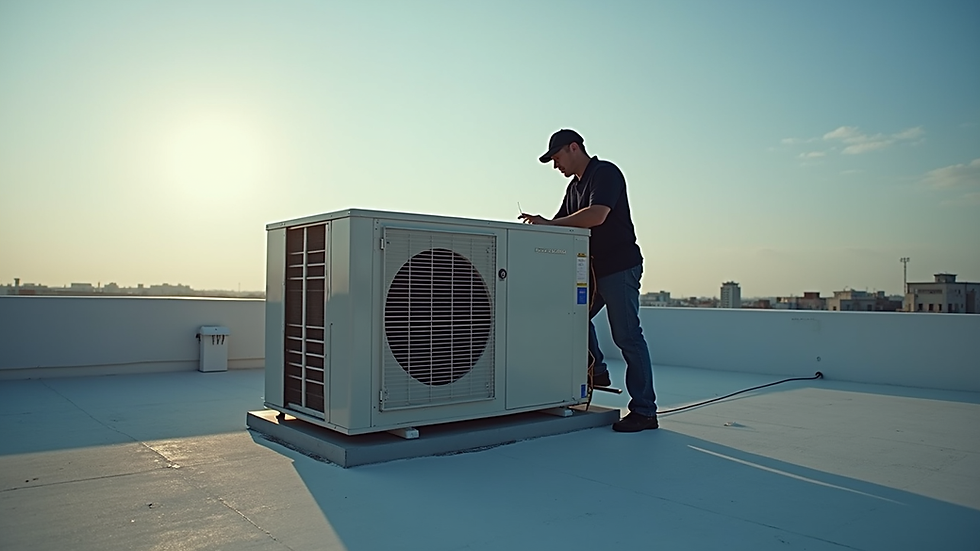
Don’t forget to inspect your outdoor unit. Clear away leaves, dirt, and debris from around the condenser to improve airflow. Trim any plants or bushes at least two feet away from the unit. This simple step helps your system breathe better and run more efficiently.
Finally, clean the vents and registers inside your home. Dust and dirt can build up and block airflow, making your HVAC system less effective. Use a vacuum or a damp cloth to keep them clean.

What is the $5000 rule for HVAC?
You might have heard about the $5000 rule when it comes to HVAC maintenance and repairs. This rule is a helpful guideline for deciding whether to repair or replace your system. If the cost of repairs approaches or exceeds $5000, it’s often more cost-effective to invest in a new system.
Why? Older HVAC units tend to be less efficient and may require frequent repairs. A new system can save you money on energy bills and provide better comfort. Plus, modern units come with improved technology and warranties.
However, if your system is relatively new and the repair cost is well below $5000, fixing it might be the smarter choice. Always get a professional opinion and consider the age, condition, and efficiency of your current system before making a decision.
How to Safely Inspect and Clean Your HVAC Components
Safety is key when working on your HVAC system. Before you start any maintenance, turn off the power to your unit at the breaker box. This prevents accidents and protects the equipment.
Start by cleaning the evaporator and condenser coils. Over time, these coils collect dirt and reduce efficiency. You can gently brush off dirt or use a coil cleaner spray available at hardware stores. Be careful not to bend the delicate fins.
Next, check the condensate drain line. This line removes moisture from your system and can get clogged with algae or debris. Use a wet/dry vacuum or a pipe cleaner to clear any blockages. A clogged drain can cause water damage and affect system performance.
Inspect the fan blades and motor for dust buildup. Wipe them clean with a soft cloth. Lubricate the motor bearings if your unit requires it, following the manufacturer’s instructions.
Remember, if you’re unsure about any step, it’s always best to call a professional. Some tasks require specialized tools and knowledge.

Tips for Improving HVAC Efficiency and Longevity
Maintaining your HVAC system isn’t just about fixing problems. It’s also about making smart choices to improve efficiency and extend its life.
Seal and insulate your ductwork. Leaky ducts can waste up to 30% of your heating and cooling energy. Use mastic sealant or metal tape to close gaps and add insulation to reduce heat loss or gain.
Install a programmable thermostat. This simple upgrade can reduce energy use by adjusting temperatures automatically.
Schedule regular professional tune-ups. A yearly inspection by an HVAC technician can catch small issues before they become big problems.
Keep your home well-insulated. Proper insulation reduces the workload on your HVAC system.
Use ceiling fans to help circulate air and reduce the need for constant heating or cooling.
By following these tips, you’ll enjoy a more comfortable home and lower energy bills.
When to Call a Professional for HVAC Maintenance
While many maintenance tasks are DIY-friendly, some situations require expert help. If you notice strange noises, frequent cycling, uneven temperatures, or a sudden spike in energy bills, it’s time to call a professional.
Also, tasks like refrigerant recharging, electrical repairs, and major component replacements should be handled by licensed technicians. They have the tools and training to work safely and effectively.
Remember, regular professional maintenance complements your DIY efforts and keeps your system in top shape.
For those interested in more detailed guidance, I recommend checking out these diy hvac maintenance tips for step-by-step instructions and safety advice.
Keeping Your HVAC System Running Smoothly Year-Round
Maintaining your HVAC system doesn’t have to be overwhelming. With a little effort and regular care, you can avoid costly repairs and enjoy a comfortable home no matter the season.
Start with simple tasks like changing filters and cleaning vents. Inspect your outdoor unit and keep it clear of debris. Learn to recognize when your system needs professional attention. And don’t forget to consider energy-saving upgrades like programmable thermostats and duct sealing.
By staying proactive, you’ll protect your investment and create a healthier, more energy-efficient home environment.
I hope these practical HVAC maintenance ideas inspire you to take charge of your system’s care. Remember, a well-maintained HVAC system is key to comfort and savings in Southern California’s climate.


Comments