Guide to Goodman Heat Pump Installation: Your Heat Pump Setup Guide

Installing a heat pump is a smart way to keep your home comfortable year-round while saving on energy costs. Goodman heat pumps are known for their reliability and efficiency, making them a popular choice for many homeowners. If you’re considering a Goodman heat pump for your home, this guide will walk you through the essential steps of the heat pump setup guide, helping you understand what to expect and how to prepare.
Understanding the Heat Pump Setup Guide
Before diving into installation, it’s important to understand what a heat pump does and how it works. A heat pump transfers heat from one place to another, providing both heating and cooling. In warmer months, it moves heat out of your home to cool it down. In colder months, it pulls heat from the outside air and brings it inside to warm your home.
Goodman heat pumps are designed to be energy-efficient and durable, making them a great investment for Southern California homes where temperatures can vary. The setup process involves several key steps:
Selecting the right size and model for your home
Preparing the installation site
Installing the indoor and outdoor units
Connecting electrical and refrigerant lines
Testing the system for proper operation
Taking the time to understand these steps will help you feel confident throughout the installation process.

Preparing for Your Heat Pump Installation
Preparation is key to a smooth installation. Here are some practical tips to get ready:
Assess Your Home’s Needs
Calculate the size of the heat pump you need based on your home’s square footage and insulation. A unit that’s too small won’t heat or cool effectively, while one that’s too large can waste energy.
Choose the Installation Location
The outdoor unit should be placed on a flat, stable surface with good airflow. Avoid areas near heavy foot traffic or where debris can accumulate. The indoor unit needs to be accessible for maintenance and connected to your ductwork.
Check Electrical Requirements
Goodman heat pumps require a dedicated electrical circuit. Make sure your home’s electrical panel can handle the load or plan for an upgrade.
Gather Necessary Permits
Depending on your local regulations, you may need permits for installation. Check with your city or county to ensure compliance.
Prepare the Site
Clear the area where the outdoor unit will sit. If installing on a concrete pad, ensure it’s level and secure.
By taking these steps, you’ll help your installer work efficiently and avoid delays.
How much does it cost to install a Goodman heat pump?
Understanding the cost of installation helps you budget effectively. The price can vary based on several factors:
Unit Size and Model: Larger or more advanced models cost more upfront.
Installation Complexity: Homes without existing ductwork or with difficult access points may require additional labor.
Electrical Upgrades: If your home needs a new circuit or panel upgrade, this adds to the cost.
Permits and Inspections: Fees vary by location.
On average, installing a Goodman heat pump can range from $4,000 to $8,000, including equipment and labor. This investment often pays off through lower energy bills and increased home comfort.
To get the best value, consider working with a trusted HVAC contractor who can provide a detailed estimate and explain all costs upfront.

Step-by-Step Goodman Heat Pump Installation Process
Here’s a simplified overview of what happens during a professional Goodman heat pump installation:
Remove Old Equipment
If you’re replacing an existing system, the old unit will be safely disconnected and removed.
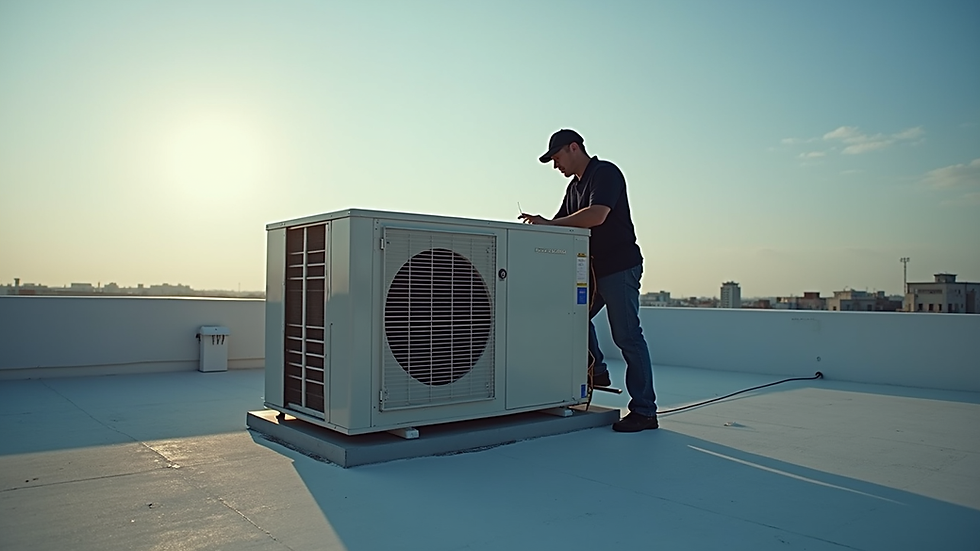
Install the Outdoor Unit
The outdoor condenser is placed on a concrete pad or mounting brackets. It’s important to secure it properly to prevent vibrations and noise.
Set Up the Indoor Unit
The air handler or furnace is installed inside your home, connected to your ductwork. Proper sealing ensures efficient airflow.
Run Refrigerant Lines and Electrical Wiring
Copper refrigerant lines connect the indoor and outdoor units. Electrical wiring powers the system and connects controls.
Vacuum and Charge the System
The installer removes air and moisture from the refrigerant lines, then charges the system with refrigerant to the correct level.
Test the System
The heat pump is turned on and tested in both heating and cooling modes. The installer checks for leaks, proper airflow, and correct thermostat operation.
Explain Operation and Maintenance
Finally, the installer will walk you through how to use your new heat pump and recommend maintenance tips to keep it running smoothly.
Following these steps ensures your Goodman heat pump installation is done right the first time.
Tips for Maintaining Your Goodman Heat Pump
Once your heat pump is installed, regular maintenance will keep it efficient and extend its lifespan. Here are some simple tips:
Change or Clean Filters Monthly
Dirty filters reduce airflow and strain the system.
Keep Outdoor Unit Clear
Remove leaves, dirt, and debris from around the outdoor unit to maintain airflow.
Schedule Annual Professional Tune-Ups
A technician can check refrigerant levels, clean coils, and inspect electrical components.
Monitor Energy Bills
Sudden spikes may indicate a problem with your heat pump.
Use a Programmable Thermostat
This helps optimize energy use by adjusting temperatures when you’re away or asleep.
By staying on top of maintenance, you’ll enjoy reliable comfort and lower energy costs.
Why Choose Professional Installation?
While some homeowners may consider a DIY approach, professional installation offers several advantages:
Expertise and Experience
Trained technicians understand the complexities of heat pump systems and local building codes.
Proper Sizing and Setup
Professionals ensure your unit is the right size and installed for maximum efficiency.
Safety
Handling refrigerants and electrical components requires specialized knowledge and tools.
Warranty Protection
Many manufacturers require professional installation to keep warranties valid.
Peace of Mind
Knowing your system is installed correctly means fewer headaches down the road.
If you want to ensure your investment lasts and performs well, hiring a reputable HVAC contractor is the best choice.
If you’re ready to upgrade your home’s heating and cooling, consider the benefits of a goodman heat pump installation by a trusted professional. With the right setup and care, your heat pump will keep your home comfortable and energy-efficient for years to come.


Comments